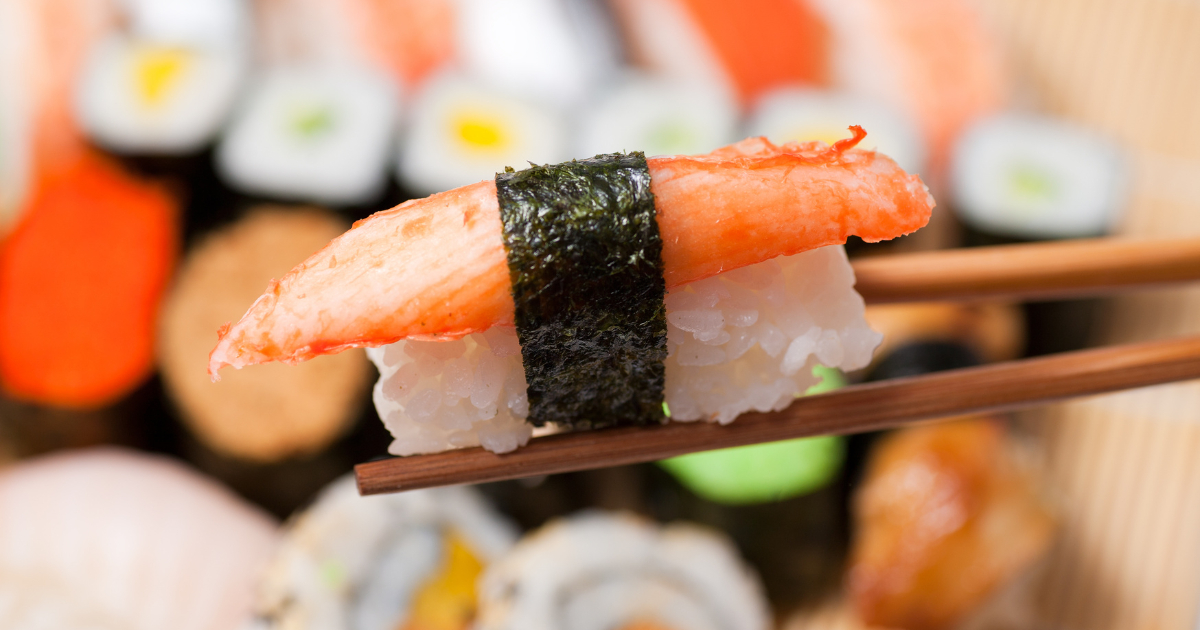

Let’s be honest.
Walking into a sushi restaurant for the first time can feel like you accidentally signed up for a silent etiquette exam. Everyone looks calm. The chef is focused. The soy sauce dish is tiny. And suddenly you’re wondering if you’re about to embarrass yourself over a piece of fish.
Relax.
Sushi isn’t meant to be intimidating. It’s meant to be enjoyed. And at Seaweed Handroll Bar, one of the amazing sushi restaurants in Glendale, CA, the goal is simple: fresh fish, crisp seaweed, and a great experience.
Still, if you want to eat sushi the right way (and avoid being “that person”), here’s your no-drama guide.
Step One: Understand What You’re Ordering
Not all sushi is the same. Knowing the basics makes ordering at a sushi restaurant much easier, especially at a handroll bar sushi experience.
Here’s a simple breakdown:
| Type of Sushi | What It Is | How to Eat It |
| Nigiri | Fish over pressed rice | Fingers or chopsticks |
| Sashimi | Sliced raw fish (no rice) | Chopsticks |
| Maki | Rolled sushi wrapped in seaweed | Chopsticks |
| Temaki (Handroll) | Cone-shaped roll made fresh | With your hands, immediately |
At a handroll bar, temaki is the star. Unlike traditional rolls that sit on a plate, handroll bar sushi is made fresh and served directly to you. Timing matters.
Which brings us to an important rule.
Eat Handrolls Immediately
If you remember nothing else from this guide, remember this:
Handrolls are meant to be eaten right away.
Seaweed is crisp when it’s freshly wrapped. Give it a few minutes, and the rice’s moisture softens it. At Seaweed Handroll Bar in Glendale, the chef hands you the roll as soon as it’s ready for a reason.
Take it. Eat it. Enjoy the crunch.
No extended photo shoot required.
Yes, You Can Use Your Hands
A lot of people think chopsticks are mandatory.
They’re not.
Historically, sushi started as fast street food in Japan during the Edo period. It was eaten by hand. Nigiri and handroll bar sushi are perfectly acceptable to eat with your fingers.
In fact, using your hands can help you control the piece more effectively, especially with delicate nigiri.
So if your chopstick skills are questionable, no stress. You’re not breaking sushi law.
The Soy Sauce Situation
Here’s where people often go wrong: soy sauce overload.
Soy sauce is meant to enhance the fish, not drown it. At high-quality sushi restaurants, the fish is already seasoned carefully.
If you’re eating nigiri:
- Lightly dip the fish side, not the rice.
- Do not soak it.
- Do not flip it back and forth like you’re marinating it.
Why avoid heavy dipping?
From a nutrition standpoint, soy sauce contains significant sodium. According to the USDA, one tablespoon contains over 800 mg of sodium. That’s more than one-third of the recommended daily limit for many adults.
A light touch gives you flavor without overpowering the sushi.
Wasabi Is Not a Challenge
Wasabi is powerful. That’s the point.
Traditionally, sushi chefs already place a small amount between the fish and rice. Adding more is optional, but moderation matters.
Many people mix a large amount of wasabi into soy sauce. While it’s common in the U.S., it’s not traditional. More importantly, it can overwhelm delicate fish flavors.
Interesting Fact
Real wasabi contains compounds called isothiocyanates, which research published in Biofactors suggests may have antibacterial properties. Historically, this may have helped reduce risk when eating raw fish.
Translation: It has a purpose. But it’s not meant to clear your sinuses.
Ginger Is a Reset Button
That pink pile on your plate? That’s not a topping.
Pickled ginger is meant to cleanse your palate between different types of sushi. It resets your taste buds so each new piece stands on its own.
Eat it between bites, not on top of your fish.
At a focused handroll bar sushi experience, this helps you appreciate subtle flavor differences, especially if you’re trying multiple fish types..
Pace Matters at a Sushi Restaurant
Sushi is not fast food. Even if it feels light, it’s intentional.At Seaweed Handroll Bar in Glendale, the pace of service is part of the experience. Rolls are served as they’re ready. That rhythm allows you to:
- Notice the temperature contrast between the warm rice and the cool fish
- Appreciate texture
- Experience balance
Eating everything at once defeats the design.
Take your time. Enjoy it.
Ordering Sushi Without Pretending You’re an Expert
You don’t need to know obscure Japanese fish names to enjoy sushi.
If you’re new, start here:
- Salmon handroll
- Tuna handroll
- Yellowtail with scallions
- California roll
These are approachable and balanced.
Once comfortable, try:
- Toro (fatty tuna)
- Uni (sea urchin)
- Seasonal specialty fish
There’s no prize for ordering the rarest item. The best choice is what tastes good to you.
At amazing sushi restaurants, the staff is happy to guide you. Ask questions. It’s encouraged.
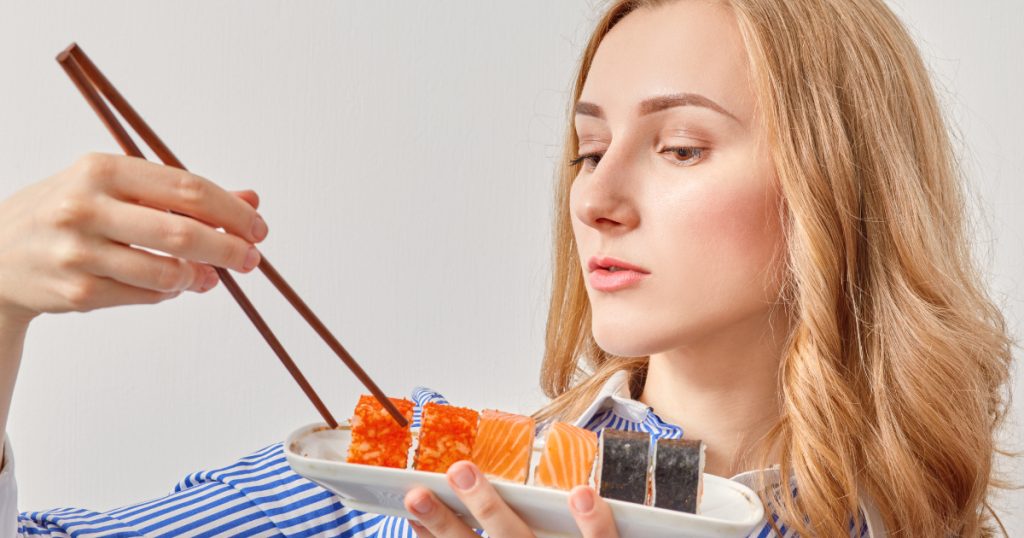
Common Sushi Mistakes (And How to Avoid Them)
Let’s quickly clear up the big ones.
Do
- Eat handrolls immediately
- Dip lightly in soy sauce
- Use your hands for nigiri if preferred
- Cleanse your palate with ginger
Don’t
- Rub chopsticks together (it implies cheap quality)
- Drench rice in soy sauce
- Mix large amounts of wasabi into soy sauce
- Let handrolls sit
That’s it. No complicated rituals required.
Why a Handroll Bar Feels Different
Not all sushi restaurants are structured the same way.
A traditional sushi restaurant may offer dozens of rolls. A handroll bar focuses on freshness and timing. The experience becomes more interactive.
At Seaweed Handroll Bar in Glendale, CA, the format centers around direct preparation and immediate enjoyment. You’re not just ordering sushi. You’re experiencing it piece by piece.
This focus on freshness is what sets handroll bar sushi apart from standard pre-plated rolls.
The Science Behind Fresh Sushi
IQuality sushi depends heavily on temperature control and timing.
FDA food safety research emphasizes proper handling and cold storage of raw fish to reduce risk. Reputable sushi restaurants maintain strict sourcing and storage standards to ensure freshness.
When sushi is served immediately after preparation, especially handroll bar sushi texture and structural integrity are preserved.
That crisp seaweed? That balance of rice moisture? It’s not accidental. It’s timing.
lendale’s Sushi Scene
Glendale, CA, has no shortage of dining options. But sushi lovers know that not all sushi restaurants deliver the same experience.
Amazing sushi restaurants focus on:
- Ingredient quality
- Balance of rice and fish
- Timing
- Simplicity
A dedicated handroll bar narrows the focus and does one thing exceptionally well.
For newcomers and seasoned sushi fans alike, that simplicity makes the experience less intimidating and more enjoyable.
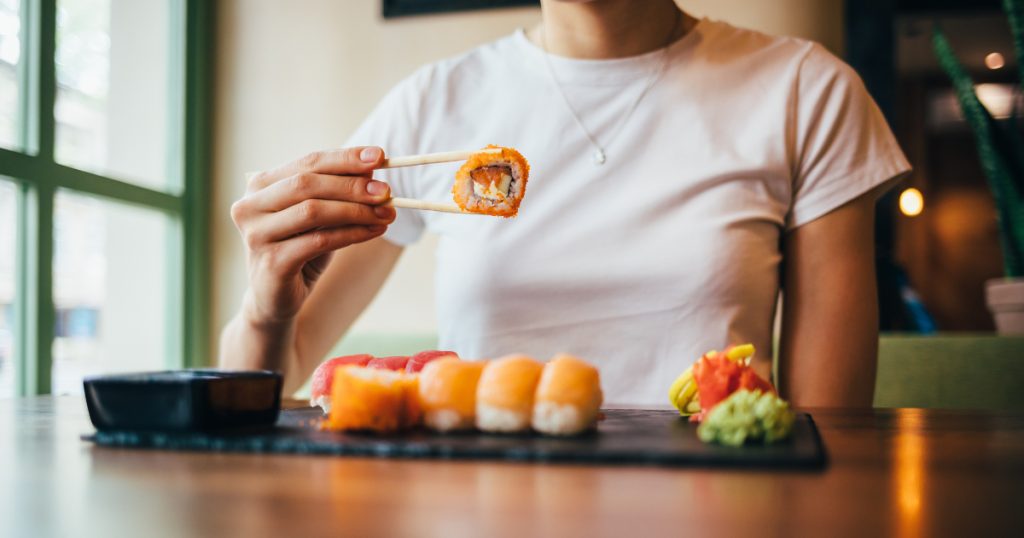
Ready to Eat Sushi the Right Way?
Now you know.
No complicated rules. No stress. Just small adjustments that make a big difference.
The best way to understand sushi isn’t to memorize etiquette, it’s to experience it.
Visit Seaweed Handroll Bar in Glendale, CA, and enjoy fresh handroll bar sushi exactly as it’s meant to be served.
Explore the menu and plan your visit here: https://www.seaweedhandrollbar.com/
Eat confidently. Eat immediately. And never be “that person” again.